This salesman turned underwriter argues that new data tools make risk assessment faster—and fairer—for applicants and agents.
Some may see a fundamental conflict in life insurance sales. Agents and brokers need to place policies in order to get paid, while working alongside underwriters who are tasked with protecting carriers from undue risks. The former want to hear “yes” as quickly and often as possible, while the latter are—occasionally but inevitably—cast in the role of naysayers.
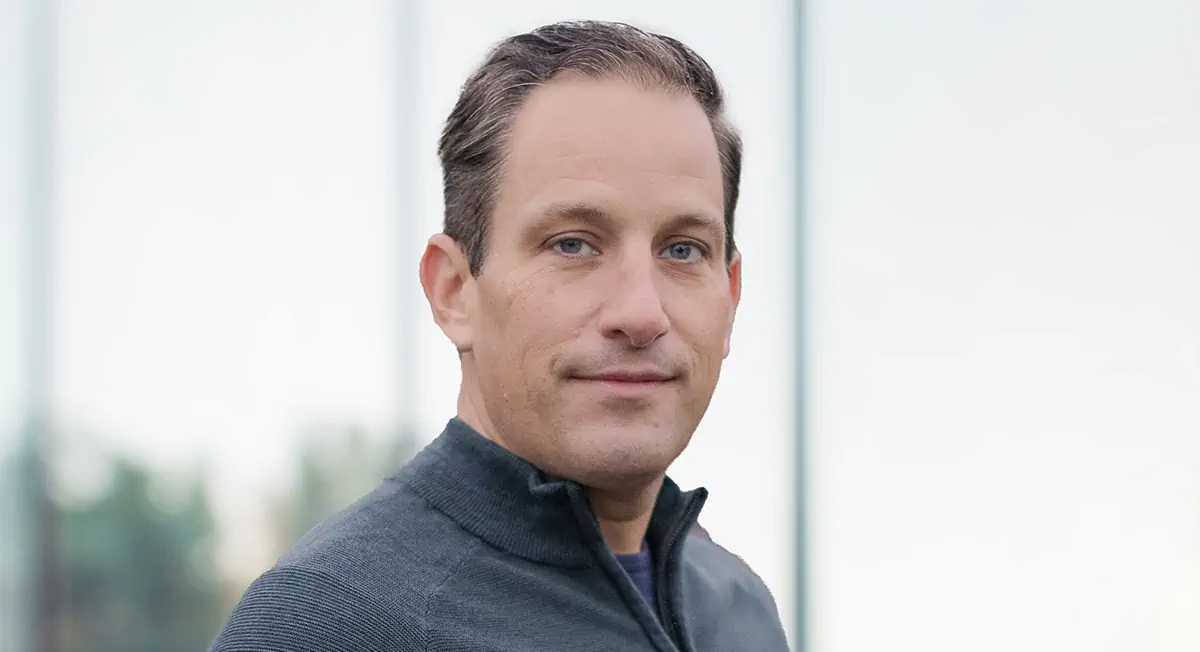
Nick Reed became an underwriter after an early career shift from commission sales. That experience makes him appreciate any technology that can help him get to that “yes” as often as possible. And as former producer himself, he also knows that a fast and clearly justified “no” is easier on agents—and applicants—than one that arrives weeks later.
That’s why Nick is particularly enthusiastic about the possibility of replacing attending physicians’ statements which can take weeks or months to arrive (and then take hours of an underwriter’s time to parse) with electronic health records that typically arrive in a few hours or days.
How did you get started as an underwriter?
I tripped and fell into it. I had been in a sales position in the telecom industry, but I wanted a change, so I applied for a position at an insurance company. A month or two after I left, that company landed an exclusive deal for the first iPhone, so I obviously didn’t have a crystal ball!
My first insurance job was as a regional recruiter with a worksite marketing firm. I quickly realized the role and the division weren’t a good fit. Instead of letting me go, my managers suggested I consider underwriting.
I barely knew what underwriters did. My new boss admitted, “We’ve never hired a sales guy before,” but I was fortunate to have great mentors who showed me the ropes. That was 19 years ago. Since then, I’ve tried to pay those favors forward by helping the people coming along behind me.
To some people, going from sales to underwriting is almost like changing sides. How did your background influence you in that new role?
Most underwriters have never made a bunch of cold calls trying to get an appointment; they don’t always appreciate how hard it is to earn that sale. It’s easy to lose sight of the fact that somebody’s livelihood is attached to this—and to lose sight of the consumers, because we’re also in between them and the coverage they need to protect their families.
Of course, like any underwriter, my first responsibility is to protect my employer from bad risks. But I try to set expectations during the process, arm agents with the information they need to understand why we make certain decisions and find ways where we can maybe meet in the middle.
You’ve been at it almost 20 years now. How has the job changed?
Underwriting once stretched on for weeks or even months. Today’s consumers are conditioned by instant, Amazon like experiences, and they won’t tolerate that kind of delay.
The change extends across the sales cycle. More than 80% of our applications are now taken remotely, a model that’s faster for agents and easier for customers who prefer virtual meetings.
APS orders were the devil we knew, but are they compatible with today’s consumers’ desire for instant gratification
If you go back a few years, we didn’t have much access to medical claims data. We had prescription histories and a few other tools, but we relied on applicants, who weren’t the best source of information—not that they necessarily omit things, but often they just don’t know or can’t supply the level of information an underwriter needs.
That left us ordering a lot of APSs, so we’d begin our fact-finding mission not knowing when information would arrive or what it would cost. Then there were issues like, did you order from the right doctor, or were you going to get a 500-page file that was missing the electrocardiogram you needed? At the end of the process, the customer might’ve changed their mind.
One advantage to starting out with Irix Medical Data now is that we can sometimes tell the agent, “This isn’t looking too good. Do you think you can place a rated case before we leave your customer sitting while we expend time and money on what may be a lost cause?”
For much of that time, electronic health records were a sort of Holy Grail. Do you think that maybe the insurance industry resisted other solutions because any day, EHRs were going to arrive with everything an underwriter could ask for?
There were definitely some challenges with early entrants in the EHR space. Hit rates were low and it was a bit of a spray-and-pray situation. We didn’t always know whether to even expect records; sometimes it was sort of the digital equivalent of the old 500-page APS. It wasn’t confidence-inspiring, and some underwriters didn’t even trust the information they got back. After those early trials, we sort of put EHRs on the back burner for a while.
What’s changed to make you more enthusiastic about EHRs today?
To be honest, one factor was pressure from agents to reduce turnaround times. We reinvestigated EHRs and found that hit rates had come up, and then when we did the study with Milliman IntelliScript, we were intrigued by the facility recommendation service within the tool. Now, if we need to know a level of severity that we don’t currently have, we’ve already done a fair amount of sleuthing. We’ll go into the Medical Data to see who made that diagnosis; if we order an EHR from that provider, what’s their record in terms of returning useful data?
We’ve found that in cases where we’re likely to get a good EHR back, it’s well worth our while to order an EHR before an APS. Of course, we still may need to order an APS if that EHR doesn’t give us what we need, but on balance we can get to a decision quicker and more cost-effectively by trying the EHR after claims data and before the APS.
Agents and customers must like the faster turnarounds, but was there any internal resistance to introducing a new tool?
There’s always a natural resistance to something new. Back when we began using medical claims data, we had some underwriters who expected pushback from agents and ordered an APS just to avoid a difficult conversation. It can be hard to explain declining or rating an applicant because of an unfamiliar data type.
But once people have been exposed to the new tools and understand them, they’ve all jumped on board. They all understand that customers won’t tolerate saliva swabs or some of the other traditional methods. So we just have to adapt and find new ways to stratify risk.
From the underwriter’s perspective, anything that gets them the information they need quickly and in an easily usable format will find favor. And from the agent’s perspective, the longer we take to make a decision, the more likely it is they’ll lose that sale. We may decide almost all their cases quickly, but if one is lagging, that’s the one they’re thinking about.
So, have you managed to reconcile the competing interests of agents and underwriters with technology?
My first boss in underwriting had a sign in his office that read, “Nobody makes any money until something is sold.”
I tell my underwriters that if you’re building a bridge, there has to be some tension. As underwriters our number one job is to protect the company, but the other side of it is having some empathy for the agents and, ultimately, protecting families. At the end of the day, someone’s financial dream is going to be carried on because of the work we all do.